

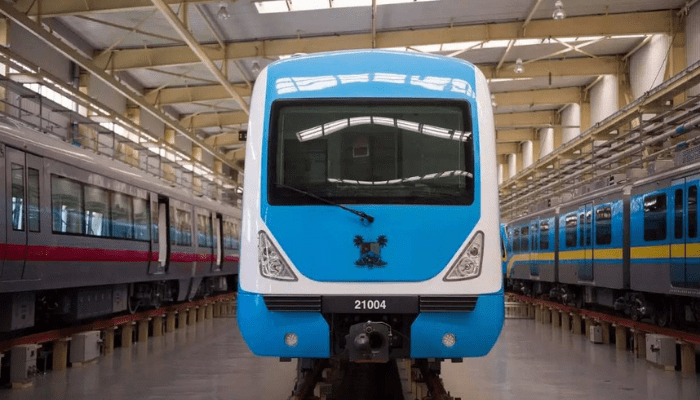
When Lagos officially launched its Blue Line Rail project, it wasn’t just a win for transportation—it was a major economic milestone. For years, Africa’s most populous city has struggled with congestion, long commute times, and inefficiencies that slow down productivity. The Blue Line is already proving to be a game-changer for businesses, workers, and the wider economy. Here’s why:
1. Boosting Productivity Through Faster Commutes
Time is money. Lagosians often lose three to six hours daily in traffic. With the Blue Line, travel from Marina to Mile 2 takes less than 30 minutes—a journey that could take up to three hours by road. That means more productive hours for workers and less stress, which translates into improved job performance and business efficiency.
2. Lowering Transport Costs
For many Lagos residents, daily transportation eats into a huge portion of income. The Blue Line offers a more affordable, predictable, and safer alternative to road transport. Lower commuting costs free up household income for other expenses, stimulating demand in other sectors of the economy.
3. Reducing Traffic Congestion and Fuel Dependency
Every passenger that chooses rail over road helps reduce the volume of cars and buses on Lagos roads. This cuts down on fuel consumption, saves businesses money on logistics, and helps the government reduce pressure on fuel subsidies. Fewer vehicles also mean reduced wear and tear on the road network, lowering maintenance costs.
4. Creating Jobs and Business Opportunities
Rail infrastructure isn’t just about trains—it’s an entire ecosystem. From construction to operations, the Blue Line has already created thousands of direct and indirect jobs. Beyond that, it is sparking growth in real estate around stations, boosting retail activity, and encouraging new small businesses to emerge near the rail corridor.
5. Attracting Investment
Reliable infrastructure is a magnet for investors. The Blue Line signals Lagos’ commitment to modern urban development, making the city more attractive to both local and foreign investors. Improved mobility encourages business districts to expand and allows industries to operate more efficiently.
6. Environmental Benefits with Economic Impact
Cleaner, electric-powered transport means fewer emissions and a step toward a more sustainable Lagos. Over time, this improves public health by reducing pollution-related illnesses, lowering healthcare costs, and boosting overall quality of life—all of which contribute positively to economic growth.
7. Integration with Lagos’ Long-Term Economic Vision
The Blue Line is part of Lagos’ broader rail master plan, which aims to integrate multiple lines into a modern urban transit system. By laying this foundation, Lagos is setting itself up as a true megacity, capable of supporting its fast-growing population and cementing its role as West Africa’s economic powerhouse.
Final Thoughts
The Lagos Blue Line is more than just a train—it’s an economic catalyst. By saving time, cutting costs, creating jobs, and attracting investment, it strengthens the foundations of Lagos’ economy. As more phases are completed and the network expands, the Blue Line will continue to transform how Lagosians live, work, and do business—propelling the city closer to its full economic potential.
Comments are closed