

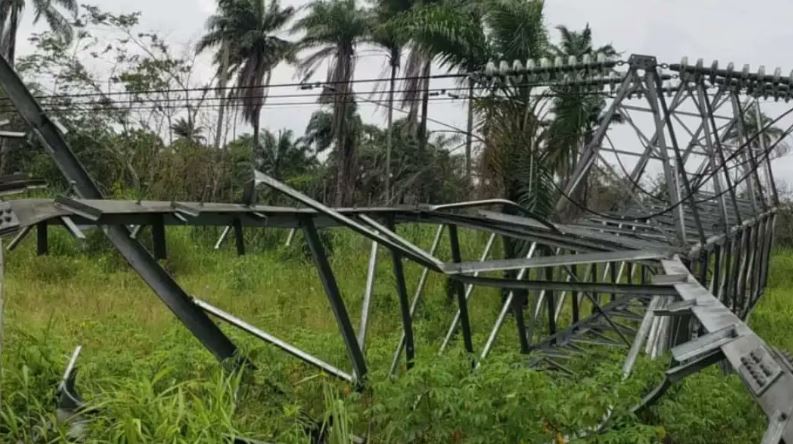
Vandalism is one of the most persistent threats to Nigeria’s energy sector. From the destruction of oil pipelines and gas facilities to the sabotage of electricity transmission lines and transformers, vandalism drains billions of naira annually, disrupts power supply, discourages investment, and compounds the country’s already fragile energy situation.
If Nigeria is to achieve reliable, affordable, and sustainable energy, decisive action must be taken to address this menace. Here are key strategies that can help reduce and eventually eliminate vandalism in the sector:
1. Community Engagement and Ownership
Most vandalism occurs in host communities where poverty, unemployment, and resentment against energy companies run high.
- What to do:
- Involve communities in energy projects as stakeholders, not just bystanders.
- Provide jobs, scholarships, and infrastructure as part of corporate social responsibility (CSR).
- Set up community surveillance programs where locals are incentivized to protect facilities.
2. Stronger Security Measures
Energy assets such as pipelines, transmission lines, and substations are often spread across vast, unguarded areas.
- What to do:
- Deploy specialized security task forces trained to protect critical infrastructure.
- Use drones and satellite monitoring for real-time surveillance of remote facilities.
- Collaborate with local vigilante groups to complement formal security forces.
3. Technology-Driven Monitoring
Manual oversight is insufficient for the scale of Nigeria’s infrastructure. Leveraging technology can help detect and prevent sabotage.
- What to do:
- Install smart sensors on pipelines and grids to detect tampering.
- Use geographic information systems (GIS) to map and monitor high-risk areas.
- Apply AI-driven predictive analytics to identify patterns of vandalism.
4. Legal Reforms and Enforcement
Current penalties for vandalism are often too weak or poorly enforced to deter offenders.
- What to do:
- Strengthen laws with stiffer penalties for vandalism of critical energy infrastructure.
- Establish fast-track courts to prosecute offenders swiftly.
- Ensure that both vandals and collaborators (including insiders) face consequences.
5. Public Awareness and Education
Many acts of vandalism are driven by ignorance about the broader economic and social impact.
- What to do:
- Launch nationwide campaigns highlighting how vandalism leads to blackouts, job losses, and higher costs of living.
- Educate schools and youth groups on the importance of protecting energy assets.
- Showcase positive community models where cooperation has led to benefits.
6. Addressing Root Causes
Vandalism is often a symptom of deeper socio-economic issues such as unemployment, inequality, and lack of basic amenities.
- What to do:
- Invest in infrastructure and development projects in host communities.
- Support vocational training and job creation in energy-producing areas.
- Build trust between energy companies, government, and locals through transparent dialogue.
7. Public-Private Collaboration
The scale of the problem means no single entity can solve it alone.
- What to do:
- Foster partnerships between government, private companies, and civil society.
- Share intelligence and security resources across the oil, gas, and electricity sectors.
- Pool funding for community development and monitoring technologies.
Vandalism in Nigeria’s energy sector is not just an operational challenge — it is a national economic crisis. Every pipeline rupture or sabotaged transformer translates into power outages, lost revenue, environmental damage, and diminished investor confidence.
To combat this problem, Nigeria must adopt a holistic approach that combines community engagement, stronger security, advanced technology, legal enforcement, and socio-economic development. Only then can the country protect its energy infrastructure, restore investor confidence, and build a stable energy future.
Comments are closed