

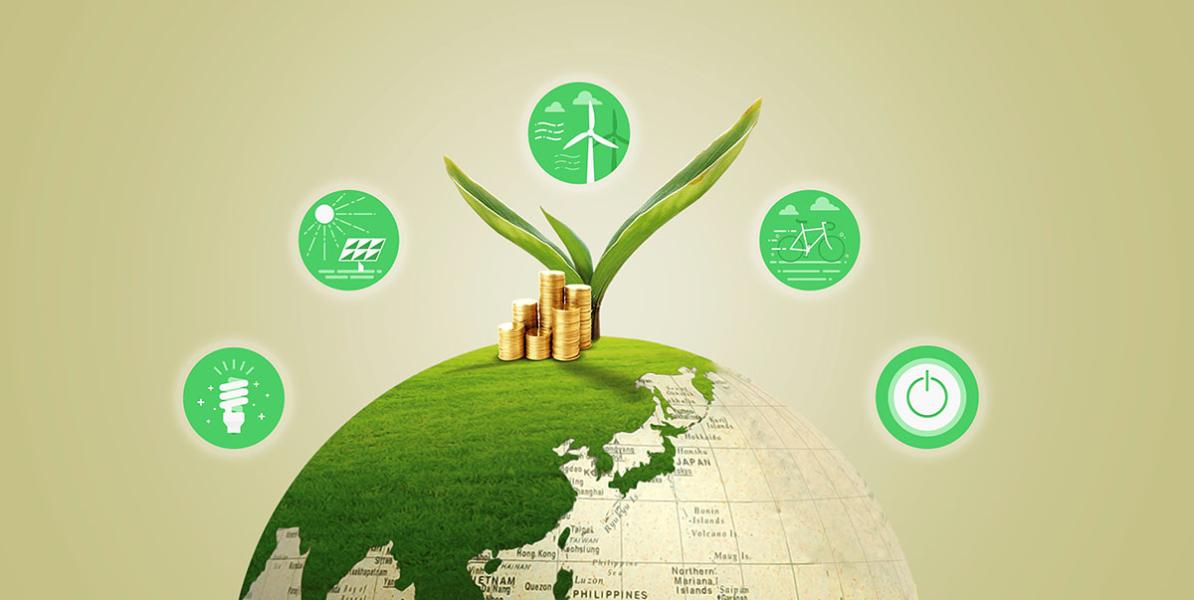
Nigeria stands at a crossroads. On one hand, it faces one of the most persistent energy crises in the world, with over 80 million people lacking access to reliable electricity. On the other, it possesses vast untapped renewable resources — solar, wind, hydro, and biomass — that could transform its energy landscape and accelerate economic growth. Green energy initiatives, if strategically implemented, could not only bridge Nigeria’s power gap but also drive job creation, industrialization, and sustainable development.
Here are some green energy pathways that could help Nigeria’s economy thrive:
1. Nationwide Solar Deployment
Nigeria enjoys over 300 days of sunshine per year, making solar its most abundant renewable resource. Harnessing even a fraction of this potential can change the energy game.
- Economic benefits:
- Rural electrification for SMEs, boosting local economies.
- Lower reliance on diesel generators, reducing business costs.
- Opportunities for local manufacturing and assembly of solar panels.
- Increased productivity in agriculture through solar-powered irrigation and storage.
2. Mini-Grids and Off-Grid Solutions
Extending the national grid to remote communities is costly and slow. Mini-grids and off-grid systems offer a quicker, scalable solution.
- Economic benefits:
- Electrifies rural communities, enabling small-scale industries.
- Creates new markets for solar home systems and pay-as-you-go models.
- Supports digital inclusion, e-learning, and rural healthcare powered by clean energy.
3. Wind and Small Hydro Projects
While solar leads the conversation, wind and small hydro can diversify Nigeria’s green energy mix. Northern states like Katsina and Sokoto have high wind potential, while rivers across the country can support micro-hydro projects.
- Economic benefits:
- Diversification reduces overdependence on fossil fuels.
- Localized power generation for farming and agro-processing clusters.
- Attraction of foreign investment into renewable technology.
4. Biomass and Waste-to-Energy
Nigeria generates about 32 million tonnes of solid waste annually, much of which is unmanaged. Converting waste into energy can provide cleaner cities and new industries.
- Economic benefits:
- Creates jobs in waste collection, recycling, and energy production.
- Reduces methane emissions from landfills.
- Provides alternative fuel for industries currently dependent on diesel.
5. Energy Efficiency Initiatives
Conserving energy is just as critical as generating it. Efficiency programs reduce demand and lower costs for households and businesses.
- Economic benefits:
- Adoption of energy-efficient appliances and LED lighting reduces grid pressure.
- Cuts down business operating costs.
- Supports sustainable urban development.
6. Green Financing and Incentives
To scale green energy, Nigeria needs innovative financing and supportive policies.
- Economic benefits:
- Attracts global climate funds and private capital.
- Boosts investor confidence through tax breaks, subsidies, and feed-in tariffs.
- Encourages local banks to support SMEs in the renewable energy value chain.
7. Local Manufacturing and Skills Development
Nigeria currently imports most renewable energy components. Building local capacity ensures sustainability and job creation.
- Economic benefits:
- Growth of domestic industries producing solar panels, inverters, and batteries.
- Thousands of green jobs in manufacturing, installation, and maintenance.
- Knowledge transfer through global partnerships and training programs.
8. Public Sector Integration of Renewables
Government institutions can lead by example by integrating renewables into operations.
- Economic benefits:
- Reduced public spending on diesel for schools, hospitals, and offices.
- Demonstration effect that encourages private adoption.
- Long-term fiscal savings that can be redirected to infrastructure.
Nigeria’s transition to green energy is not just about tackling power shortages — it is about unlocking economic opportunity. From solar mini-grids that empower rural farmers, to waste-to-energy plants that clean up cities, the benefits extend far beyond electricity. By prioritizing green initiatives, Nigeria can reduce reliance on fossil fuels, attract foreign investment, create millions of jobs, and build a resilient economy prepared for the future.
The path to economic growth may well be powered by the sun, the wind, and the rivers that flow across the nation.
Comments are closed